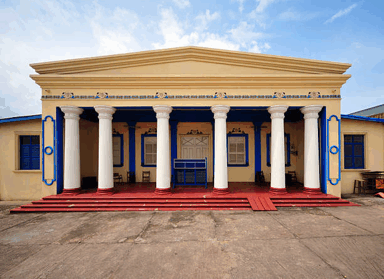
omen Freemasons have been meeting across the country for more than 100 years.
There are two female-only Grand Lodges: The Order of Women Freemasons and the Honourable Fraternity of Ancient Freemasons (Freemasonry for Women). They both follow exactly the same ceremonies and wear the same regalia as male Freemasons, and they often work closely with community and charity projects.
The United Grand Lodge of England has an excellent working relationship with both Grand Lodges. Members from the Honourable Fraternity of Ancient Freemasons (Freemasonry for Women) and The Order of Women Freemasons have both taken part in Open House London at Freemasons’ Hall in recent years in order to showcase female Freemasonry, as well as taking part in joint Freshers’ Fairs up and down the country as part of the Universities Scheme.
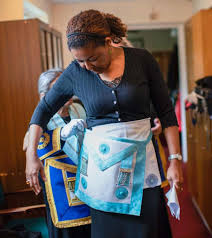
The Order of Women Freemasons
The Order of Women Freemasons is the oldest and largest Masonic organisation for women in this country and works on the lines of regular male Freemasonry. It was constituted as the Grand Lodge of the Honourable Order of Ancient Masonry in 1908 and adopted the title ‘The Order of Women Freemasons’ in 1958.
The Order originally included men and women but in the early 1920s a decision was made to restrict admission to women only, and by 1935 it was an exclusively female organisation. The Order’s headquarters have been situated in Notting Hill Gate, London, since 1925 and are run by the Grand Master and her secretariat, who undertake their duties on a voluntary basis.
Women of any race or faith can join – they should be 21 years or older, be of good character and believe in a Supreme Being. The Order has approximately 4,000 members in more than 300 Craft Lodges spread throughout the UK and overseas, which meet a minimum of four times a year. The Order also actively encourages all members to join the further and higher degrees.
The Order also has The Pembridge Society, a group for new and young Freemasons who meet to advance their Masonic knowledge. It is planned for similar groups to be set up nationwide.
The Order is actively involved with UGLE in promoting the Universities Scheme, and during the last few years has worked alongside UGLE members at university Freshers’ Fairs throughout England and Wales, from which they have welcomed new members into many of their Lodges.
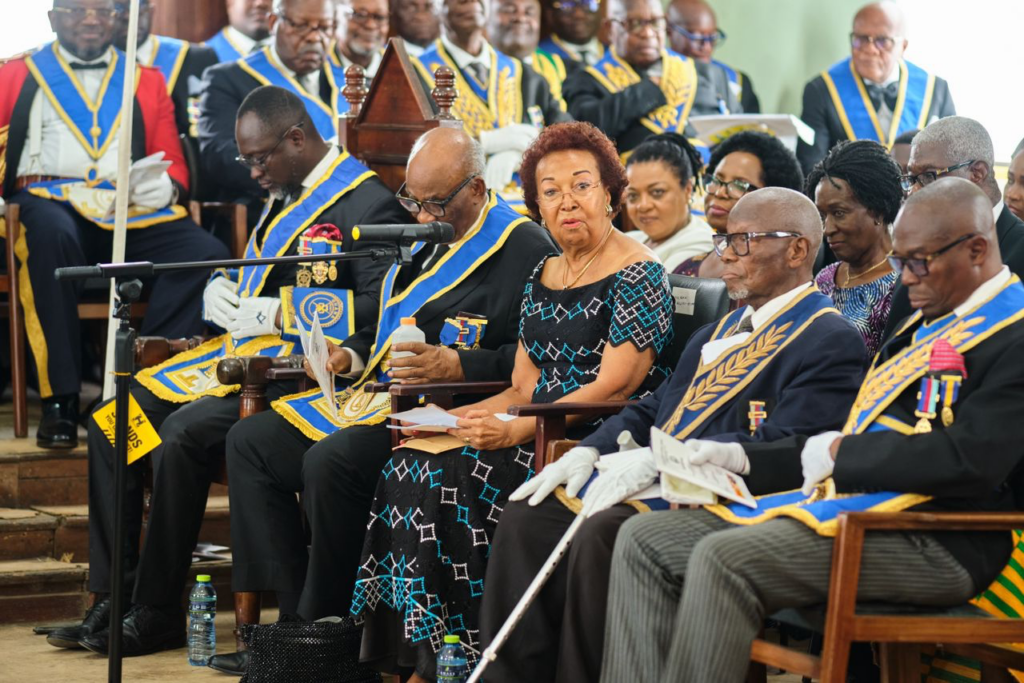
Women as operative masons

Women in Medieval and Renaissance Europe were legally assumed to be subject to their fathers, then to their husbands after marriage. The status of women within Medieval trades was largely dependent on the local interpretation of femme sole, the legal term for a single woman. This was usually the widow of a tradesman, who was permitted to continue her husband’s business after his death, and often established in the rights and privileges of his trade guild or company. More rarely, single women would achieve success in their father’s trade. Exceptions occurred mainly in trades linked to traditional women’s occupations, such as haberdashery and needlecraft.
About the Author